Surgical Dentistry
Surgical Dentistry in Charlotte: What to Expect
Learn when surgical dentistry becomes necessary, what procedures like extractions and implant placement actually involve, and how to prepare for a smooth recovery.
Surgical Care
Advanced oral surgery performed with precision, comfort, and genuine care for every patient who walks through our doors.
Some dental problems can't be solved with a filling or a cleaning. A tooth that's cracked below the gumline, a wisdom tooth growing in sideways, or jawbone that's thinned after years without a tooth in place - these situations call for surgical treatment. Surgical dentistry covers the procedures that go beyond the surface, addressing issues inside the bone and tissue that support your teeth, so that pain stops, infection clears, and your bite can function the way it's supposed to.
We understand that the word "surgery" can feel intimidating, even when it's happening inside your mouth rather than an operating room. Patients often come to us after putting off a problem for months because they were worried about pain, recovery time, or simply not knowing what to expect. Our goal is to replace that uncertainty with a clear plan, gentle technique, and honest answers about what each step actually involves.
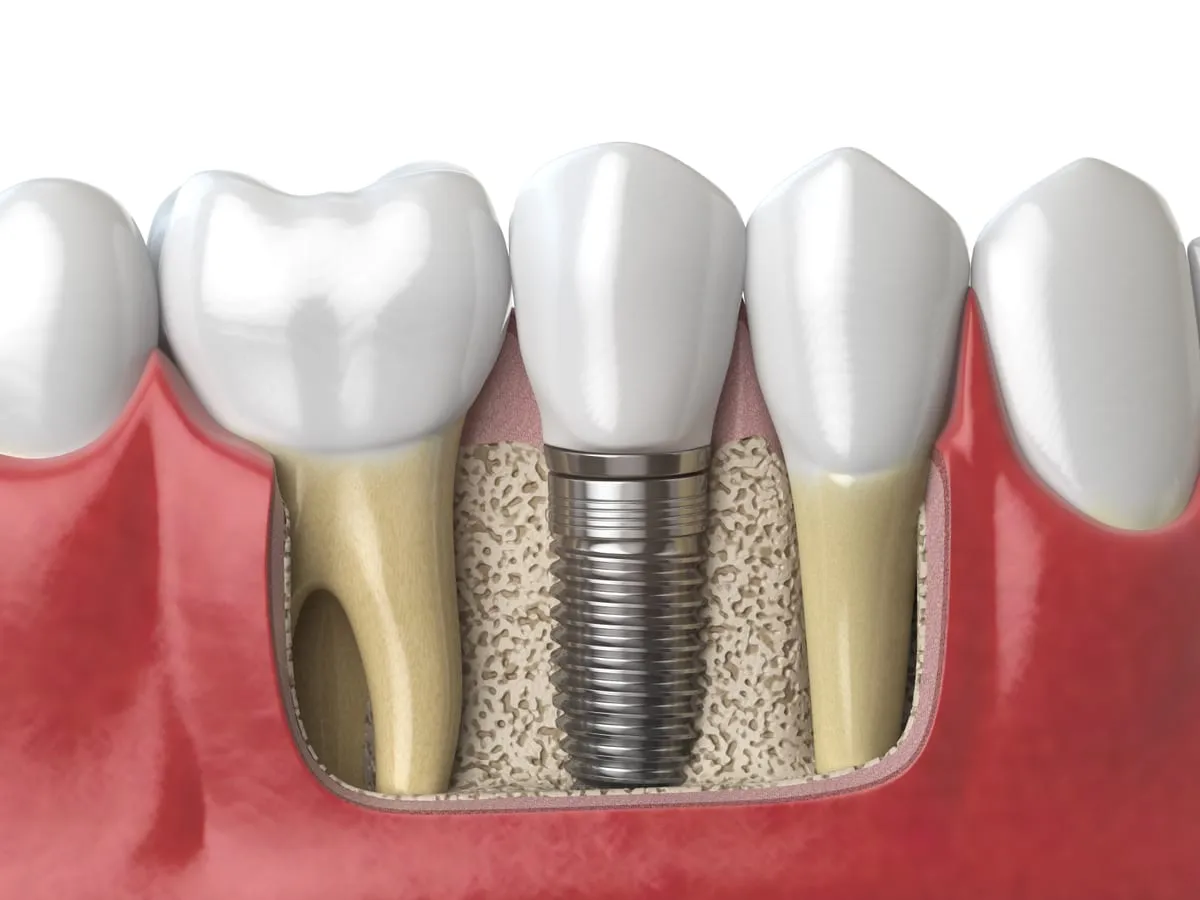
At Amity Dentistry, we treat surgical dentistry as a discipline that demands both precision and patience. Before any procedure, we take the time to review your health history, discuss sedation options if you'd like them, and map out exactly how the tooth, bone, or tissue involved will be handled. Patients throughout Charlotte come to us for extractions, implant placement, bone grafting, and soft-tissue procedures, knowing the plan will be tailored to their mouth, not a one-size-fits-all script.
Surgical issues don't always announce themselves with sharp pain. Some develop slowly, showing up as subtle shifts in comfort, bite, or appearance long before they become urgent. These are the signs our patients most often describe before a surgical consult uncovers the underlying cause.
Any one of these signs on its own might seem minor, but left unchecked, they tend to compound - a small infection spreads, a shifted bite stresses your jaw joint, and bone loss accelerates. A thorough exam lets us catch the real issue early, when treatment is simpler and more predictable.
Surgical dental needs rarely come from a single cause. More often, a combination of genetics, habits, and past dental history work together over time to create a problem that restorative treatment alone can't fix.
Many jaws simply don't have enough room for a full set of molars, including wisdom teeth. This crowding forces teeth to erupt at odd angles, trapping food and bacteria underneath the gum.
Cavities that progress without treatment eventually reach the nerve and bone, where a root canal or filling is no longer enough and extraction becomes the safer option.
Bone that no longer supports a tooth root begins to resorb within months of extraction, which is why patients who wait years to replace a missing tooth often need grafting before an implant.
A sports injury, fall, or hard bite on something unyielding can fracture a tooth below the gumline or damage the surrounding bone in ways a filling can't correct.
Periodontal disease that reaches an advanced stage destroys the bone and ligament holding teeth in place, often leaving extraction as the only way to stop the infection from spreading further.
Some patients are simply born with teeth that are positioned to become impacted, or jawbone density that makes implant placement more involved, regardless of how well they've cared for their teeth.
Every surgical case at Amity Dentistry follows a deliberate sequence, designed so you understand what's happening and why at each stage, with no surprises on the day of your procedure.
We start by listening to your symptoms and history, answering questions about sedation, recovery, and anything that's been worrying you about the procedure ahead.
Digital x-rays and, when needed, 3D imaging let us see exactly where a tooth root, nerve, or bone boundary sits before we ever pick up an instrument.
We map the exact procedure, sedation level, and recovery timeline for your specific case, then walk you through costs and insurance coverage before scheduling.
Local anesthesia and, when appropriate, sedation keep you comfortable throughout, while our team uses precise technique to limit trauma to surrounding tissue.
We send you home with clear aftercare instructions and check in during healing, adjusting guidance as needed so recovery stays on track.
Surgical treatment isn't about masking a symptom for a few weeks. Done correctly, it removes the source of the problem entirely and gives your mouth a stable foundation to heal and function from going forward.
Removing an infected or impacted tooth eliminates the pressure and inflammation that caused ongoing discomfort, often within days of the procedure.
Once the problem tooth is addressed and replaced if needed, you can return to eating a full range of foods without favoring one side of your mouth.
Removing an infected or impacted tooth early prevents the bacteria or pressure from spreading damage to adjacent roots and bone.
Bone grafting and site preparation create the density and shape needed for an implant to anchor securely for the long term.
Patients often report better sleep once chronic jaw pain or infection is resolved, since nighttime throbbing was frequently the cause of disrupted rest.
Addressing a visible broken tooth or chronic bad breath caused by infection restores both comfort and confidence in your smile.
Wisdom teeth are the last molars to develop, usually arriving between ages 17 and 25, by which point the jaw has often already finished growing. When there isn't enough room, the tooth can angle sideways, push against the roots of the molar in front of it, or stay partially trapped under the gum. None of these positions correct themselves with time - if anything, the pressure and risk of infection tend to build the longer the tooth stays in place.
A partially erupted wisdom tooth creates a pocket where food and bacteria collect beneath the gum tissue, a condition known as pericoronitis. This leads to recurring swelling, pain, and sometimes a bad taste that won't go away with brushing alone. Left untreated, that infection can spread to the jawbone or the neighboring tooth's root, turning a straightforward extraction into a more involved surgical case.
Removing an impacted wisdom tooth while it's still relatively young and the surrounding bone is less dense is generally more predictable and comfortable than waiting. That's why we recommend a surgical evaluation as soon as early signs appear, rather than waiting for a flare-up to force the decision.
Good healing after a surgical procedure depends as much on what you do at home as what happens in our chair. These habits help the tissue close properly and reduce the chance of complications.
Soups, yogurt, and mashed vegetables protect the surgical site while you heal during the first several days.
Applying ice in short intervals during the first 24 hours limits swelling and keeps discomfort manageable.
Suction can dislodge a healing blood clot, leading to a painful condition called dry socket, so skip straws and tobacco entirely during recovery.
A gentle warm saltwater rinse, started a day after surgery, helps keep the area clean without disturbing healing tissue.
Following the prescribed pain management and antibiotic schedule exactly as given helps prevent infection and keeps discomfort controlled.
Keeping your head elevated and avoiding strenuous activity for a few days reduces swelling and supports faster healing.
These habits make a real difference, but they work alongside professional care, not instead of it. If you notice unusual swelling, fever, or pain that worsens instead of improving, contact our office right away.
"We never rush a surgical decision. Every patient gets a full explanation, honest timelines, and a plan built around their comfort, not just the procedure itself."
Answers to the questions our Charlotte patients ask most before a surgical dental procedure.
BOOK YOUR VISIT
Join the Charlotte families who trust Amity Dentistry. New patients and emergencies are always welcome.