

 980-423-1244
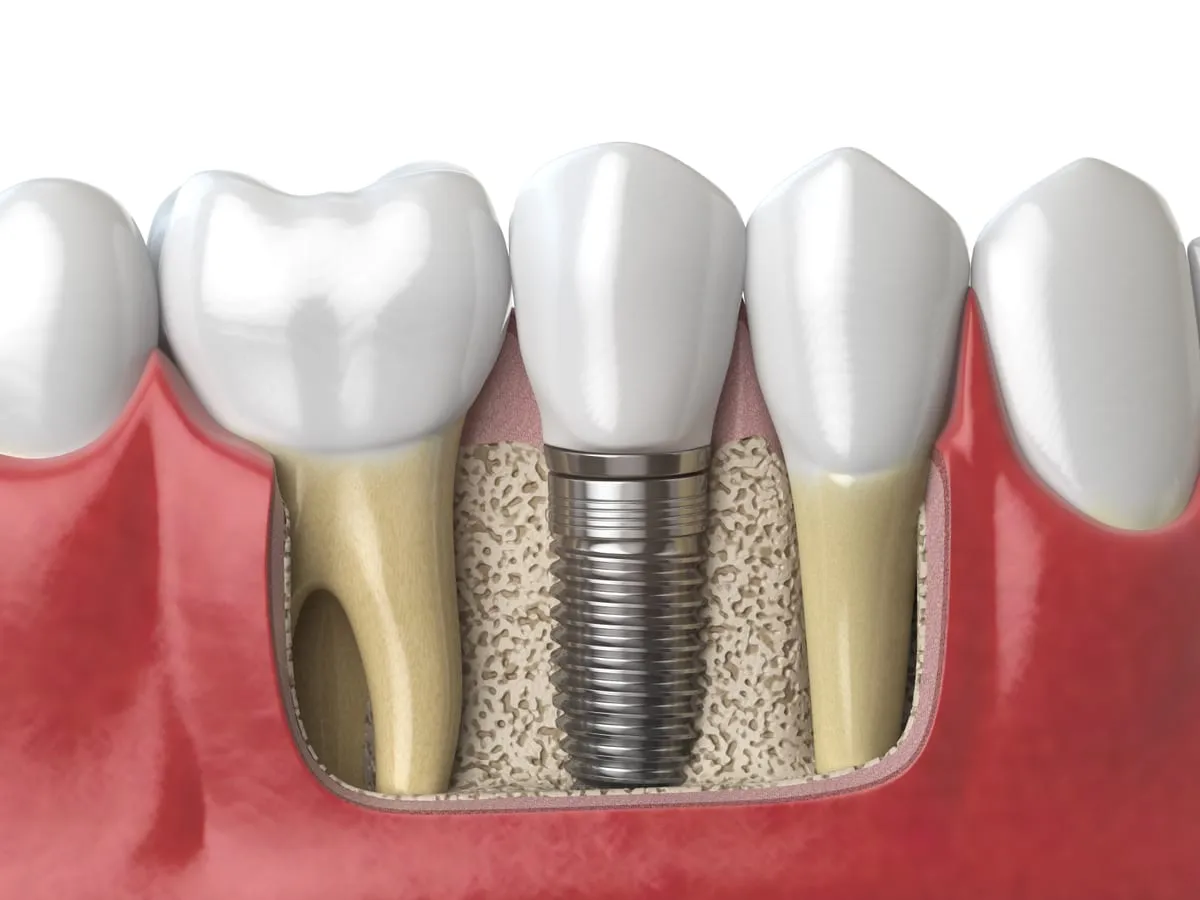
Hearing the words "you need oral surgery" can bring up a wave of questions, and maybe a little anxiety too. Most people picture something dramatic when they hear "surgical dentistry," but the reality is far less intimidating. For many Charlotte patients, it simply means a tooth extraction, a wisdom tooth removal, or the placement of a dental implant - procedures that are routine, well-understood, and far more comfortable today than they were even a decade ago.
Surgical dentistry covers any procedure that involves working below the gum line or within the jawbone itself. That could mean removing a severely decayed or impacted tooth, placing an implant post to replace a missing tooth root, grafting bone to rebuild a weakened jaw, or treating advanced gum disease that hasn't responded to non-surgical care. Understanding why these procedures are recommended, and what actually happens during them, takes most of the mystery - and the worry - out of the process.
This article walks through the most common surgical procedures we perform, who typically needs them, what recovery looks like, and the questions worth asking before you schedule anything. Whether you're facing a wisdom tooth consult or considering implants to replace missing teeth, you'll leave with a realistic picture of what to expect.
When Surgical Dentistry Becomes Necessary
Not every dental problem calls for surgery, and that's usually good news. Fillings, crowns, and root canals handle the vast majority of issues we see day to day. Surgical intervention becomes the right call when a tooth is too damaged or positioned to save conservatively, when an infection has spread into the bone, or when a patient is missing teeth and wants a permanent, stable replacement rather than a removable one.
We also see surgical referrals come out of routine checkups. An x-ray might reveal an impacted wisdom tooth pressing against a neighboring molar, or gum pockets that have deepened beyond what a deep cleaning can reverse. In those cases, our team walks through the findings with you, explains the reasoning in plain language, and lays out exactly what the procedure would involve before anything is scheduled. If you're also dealing with gum recession or bleeding, it's worth asking about periodontal care as a complementary step.
Tooth Extractions and Wisdom Teeth Removal
Extractions remain the most common surgical procedure in general dentistry, and wisdom teeth are the most frequent reason for them. Third molars often don't have enough room to erupt properly, which can cause them to grow sideways, press against adjacent teeth, or become partially trapped under the gum. Left alone, impacted wisdom teeth can lead to infection, crowding, or cyst formation around the tooth.
A straightforward extraction, where the tooth is fully visible above the gum, is usually quick and performed under local anesthesia. Impacted teeth require a more involved approach - we may need to remove a small amount of bone or divide the tooth into sections to extract it safely. Either way, the goal is always to minimize trauma to the surrounding tissue so healing starts off on the right foot.
- Impacted wisdom teeth: Teeth trapped under the gum or angled against neighboring molars are removed before they cause crowding or infection.
- Severely decayed teeth: When decay has destroyed too much structure to support a crown or filling, extraction is often the more predictable path forward.
- Fractured teeth: Cracks that extend below the gum line or into the root usually can't be saved and are removed to prevent infection.
- Orthodontic extractions: Occasionally a tooth is removed to create space before braces or Invisalign treatment begins.
Dental Implant Surgery: Step by Step
Implants have become the standard recommendation for replacing a missing tooth because they restore both function and appearance without relying on neighboring teeth for support. The procedure starts with placing a small titanium post into the jawbone, which acts as an artificial tooth root. Over the following weeks, the bone fuses to the post in a process called osseointegration, creating a foundation that's remarkably stable.
Once healing is confirmed, a connector piece called an abutment is attached, followed by the custom crown that matches the shape and color of your surrounding teeth. The entire process typically spans a few months from start to finish, though the surgical appointment itself is usually completed in under two hours. For patients who have been missing a tooth for a long time, this is often paired with restorative dentistry work to rebuild bite function across the whole mouth.
Bone Grafting and Gum Surgery
Not every jaw has enough bone density to support an implant right away, especially if a tooth has been missing for years. Bone loss happens naturally once a tooth root is no longer stimulating the jaw, which is why grafting is sometimes recommended before implant placement. A graft material is added to the site, giving the body a scaffold to rebuild stronger, denser bone over several months.
Gum surgery addresses a different problem: advanced periodontal disease that has created deep pockets between the teeth and gums where bacteria accumulate. Procedures like flap surgery allow us to clean below the gum line thoroughly and, in some cases, reshape or regenerate lost tissue. Catching gum disease early with routine care through our preventive dentistry program is always preferable to needing surgical correction later.
Signs You Might Need This Type of Care
Persistent gum tenderness, bleeding when brushing, noticeable gum recession, or looseness in a tooth are all reasons to have a surgical consultation sooner rather than later. The earlier these signs are addressed, the less invasive the eventual treatment tends to be.
What Recovery Actually Feels Like
Most surgical recoveries are more manageable than patients expect. Swelling and mild soreness in the first 48 to 72 hours are normal, and over-the-counter pain relievers or a short course of prescribed medication usually keep patients comfortable. Cold compresses applied in the first day help control swelling, while gentle saltwater rinses starting the following day keep the surgical site clean without disturbing healing tissue.
Soft foods, plenty of hydration, and avoiding strenuous activity for a few days go a long way toward smoother healing. Implant sites take longer to fully integrate, but day-to-day discomfort typically fades within a week. If you experience unexpected symptoms like a fever, pus, or pain that worsens instead of improving, that's the time to call us rather than wait it out - and if an issue arises outside of office hours, our emergency dental care team is available to help.
Preparing for Your Procedure
A little preparation makes the day of surgery far less stressful. We'll walk you through any dietary restrictions beforehand, especially if sedation is involved, and arrange for someone to drive you home if needed. Wearing comfortable clothing, arranging a few days of rest, and stocking your kitchen with soft foods ahead of time all make the first days afterward much easier.
It's also worth asking specific questions at your consultation: how long the procedure will take, what type of anesthesia is planned, what the realistic recovery timeline looks like, and what warning signs should prompt a call to our office. A practice that takes the time to answer these clearly before treatment is one that will take just as much care during the procedure itself.
Key Clinical Takeaways
- Surgical dentistry includes extractions, wisdom teeth removal, implant placement, bone grafting, and gum surgery.
- Impacted wisdom teeth and severely decayed or fractured teeth are the most common reasons for extraction.
- Dental implants require a healing period for the bone to fuse with the titanium post before the crown is placed.
- Most recovery discomfort peaks in the first 48 to 72 hours and improves steadily with simple home care.
- Early treatment of gum disease and tooth decay often prevents the need for more invasive surgery later.
Frequently Asked Questions
Will I be awake during oral surgery?
Most extractions and implant placements are done comfortably under local anesthesia, meaning you stay awake but feel no pain at the site. For more involved cases or anxious patients, we offer sedation options to keep the experience relaxed from start to finish.
How do I know if I need my wisdom teeth removed?
Routine x-rays usually catch impaction or crowding issues before they cause pain. Signs like jaw soreness, swelling toward the back of the mouth, or difficulty opening wide are worth a prompt evaluation.
How long does it take to recover from a dental implant?
Initial soreness typically resolves within a week, but full bone integration takes two to four months depending on the individual. We monitor progress at follow-up visits before placing the final crown.
Is bone grafting always needed before an implant?
Not always. It depends on how much bone density remains at the site. A 3D scan during your consultation tells us whether your jaw can support an implant directly or needs grafting first.
What should I eat after oral surgery?
Stick to soft, lukewarm foods like yogurt, mashed potatoes, and smoothies for the first few days. Avoid straws, hot foods, and anything crunchy or chewy until the surgical site has settled.
A Calm, Informed Approach to Oral Surgery
Surgical dentistry sounds more intimidating than it is in practice. Whether you're facing a straightforward extraction or planning for implants to replace missing teeth, the procedures are well-established, the recovery is predictable, and the long-term benefits for your oral health are significant. Knowing what to expect at each stage makes the entire experience far less stressful.
If you're dealing with a troublesome tooth, considering implants, or simply want a second opinion on a surgical recommendation, our Charlotte team is happy to talk through your options honestly and answer every question you bring to the table.