

 980-423-1244
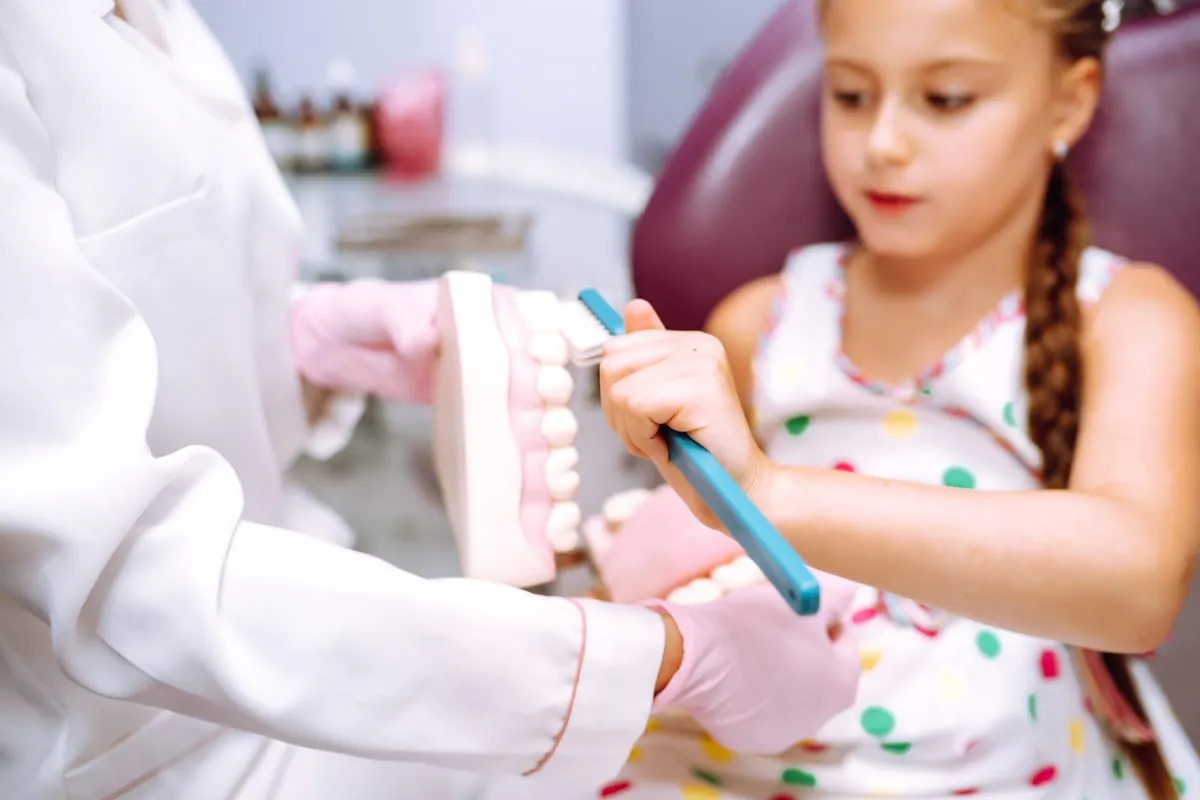
Raising a child who feels comfortable in the dental chair does not happen by accident. It takes a practice that understands how young patients think, how their mouths develop, and how small moments of reassurance build into a lifetime of healthy habits. For families across Charlotte, finding a dentist who treats children with patience and genuine warmth makes all the difference between a dreaded appointment and one your child actually looks forward to.
Pediatric dentistry covers far more than small-scale versions of adult cleanings. It is a distinct area of oral health care focused on how teeth, jaws, and habits change from infancy through the teenage years. Baby teeth guide the position of permanent teeth, influence speech development, and affect how confidently a child eats and smiles. Neglecting them, even temporarily, can create problems that follow a child well into adulthood.
This guide walks through what parents in Charlotte should know about children's dental care, from the first visit to cavity prevention strategies that actually work for busy families. Whether you're scheduling an appointment for a toddler or a teenager, understanding the basics helps you make informed decisions and feel more at ease walking through our doors.
In This Article
When to Schedule Your Child's First Dental Visit
The American Academy of Pediatric Dentistry recommends scheduling a child's first dental appointment by their first birthday, or within six months of the first tooth appearing. Many parents are surprised by how early this is, but the early timeline is intentional. It lets our team check how teeth are emerging, catch early signs of decay before they spread, and give parents specific guidance on brushing, bottle habits, and diet while there is still plenty of room to course-correct.
That first visit is also about building comfort. We keep early appointments short and low-pressure, often limited to a gentle look in the mouth, a conversation with parents, and maybe a ride in the dental chair if the child is curious. There's no drilling, no pressure, and no reason for a toddler to associate the office with anything other than a friendly place.
From there, most children benefit from checkups every six months, similar to adults. Consistent visits paired with solid preventive dentistry habits at home give your child's teeth the best chance of staying cavity-free straight through adolescence.
Cavity Prevention Strategies That Actually Work
Tooth decay remains one of the most common chronic conditions in children nationwide, and Charlotte is no exception. The good news is that cavities in baby and permanent teeth alike are largely preventable with consistent, age-appropriate habits. The challenge for most families isn't a lack of knowledge; it's turning that knowledge into a routine that sticks on busy weeknights and rushed mornings.
We encourage parents to think of prevention as a layered approach rather than a single fix. Brushing matters, but so does what's being brushed off, how often snacks happen between meals, and whether a child is getting fluoride exposure appropriate for their age.
- Brush twice daily with the right amount of fluoride toothpaste: A rice-grain-sized smear for children under 3, and a pea-sized amount for ages 3 and up, applied with parental supervision until the child can spit reliably.
- Limit grazing on sugary snacks and juice: Frequent snacking keeps the mouth in an acidic state longer than three larger meals, giving bacteria more opportunity to erode enamel.
- Avoid putting a baby to bed with a bottle of milk or juice: Prolonged contact with sugary liquids overnight is a leading cause of early childhood cavities, sometimes called "baby bottle tooth decay."
- Keep every six-month cleaning appointment: Professional cleanings remove plaque buildup that brushing alone can't fully clear, especially in the back molars.
Dental Sealants and Fluoride: Extra Layers of Protection
Molars have deep grooves that are nearly impossible to clean fully with a toothbrush, even with diligent effort. Dental sealants solve this by filling those grooves with a thin protective coating, applied in a single painless visit. Once in place, a sealant can reduce the risk of decay in that tooth by a significant margin for several years, making it one of the most cost-effective preventive treatments we offer.
Fluoride treatments work differently but complement sealants well. Applied topically during a checkup, fluoride strengthens enamel and helps reverse very early stages of decay before a cavity actually forms. For children who are more cavity-prone, due to diet, genetics, or orthodontic appliances, we often recommend both together as part of a broader preventive plan.
If a cavity does develop despite these precautions, early intervention keeps treatment simple. Our restorative dentistry services are designed with children in mind, using techniques that minimize discomfort and preserve as much natural tooth structure as possible.
Thumb-Sucking, Pacifiers, and Other Habits Parents Ask About
Thumb-sucking and pacifier use are among the most common questions we hear from parents during checkups. Both are completely normal self-soothing behaviors in infants and toddlers, and most children stop on their own between ages two and four without any lasting effect on tooth alignment. The concern arises when the habit continues past age four or five, once permanent teeth are getting ready to erupt.
Prolonged sucking habits can push front teeth forward or create an open bite, where the upper and lower teeth don't meet properly when the mouth closes. If we notice this developing during a routine visit, we'll talk through gentle, non-punitive strategies with you, things like positive reinforcement, covering the thumb at night, or identifying the triggers that lead to the habit in the first place.
Tongue thrusting and mouth breathing are two other habits worth mentioning to your dentist, since both can subtly affect jaw development over time. Catching these patterns early, well before adolescence, usually means simpler and shorter corrective care later on.
Handling Dental Emergencies in Children
Kids fall off bikes, collide during sports, and occasionally bite down on something harder than expected. A knocked-out, chipped, or loosened tooth can be alarming, but how a parent responds in the first few minutes genuinely affects the outcome. For a permanent tooth that has been knocked out, try to place it back in the socket if possible, or keep it in milk, and get to a dentist within 30 to 60 minutes if you can.
Baby teeth that are knocked out are typically not re-implanted, since doing so can damage the permanent tooth developing underneath. Still, a dental evaluation is important to check for any damage to the surrounding gum tissue or root fragments left behind.
For sudden tooth pain, swelling, or trauma outside of regular office hours, our emergency dental care team is available to guide you through next steps and get your child seen quickly. Acting fast rarely hurts and often prevents a bigger problem down the road.
Watching for Early Orthodontic Concerns
Around age seven, most children have a mix of baby and permanent teeth, which makes it an ideal time for an orthodontic screening. We're not looking for perfection at this stage; we're watching for crowding, crossbites, or jaw growth patterns that might benefit from early, limited treatment rather than waiting until every permanent tooth has come in.
Addressing certain issues early can sometimes reduce the complexity of orthodontic work needed in the teenage years. For families considering options as their child gets older, it's worth knowing that modern treatments, including Invisalign for teens, offer discreet alternatives to traditional braces once all permanent teeth have erupted.
Key Clinical Takeaways
- Schedule your child's first dental visit by age one to catch issues early and build comfort with the dentist.
- Consistent brushing, limited sugary snacks, and six-month checkups prevent the vast majority of childhood cavities.
- Sealants and fluoride treatments add meaningful protection to cavity-prone molars.
- Thumb-sucking is normal in young toddlers but worth monitoring past age four.
- Age seven is a good checkpoint for an early orthodontic screening.
Frequently Asked Questions
Is it normal for my child to cry or feel nervous at the dentist?
Yes, it's common, especially at the first few visits. Our team is trained to work patiently with anxious children, using simple language, short breaks, and a calm pace to help them feel in control of the experience.
Do baby teeth really matter if they're going to fall out anyway?
Absolutely. Baby teeth hold space for permanent teeth, support chewing and speech development, and an infected baby tooth can affect the permanent tooth forming beneath it. Treating decay in baby teeth is just as important as treating it in adult teeth.
How much fluoride toothpaste should my toddler use?
For children under age three, use a smear about the size of a grain of rice. Once a child reaches age three and can reliably spit rather than swallow, a pea-sized amount is appropriate for daily brushing.
What should I do if my child's tooth gets knocked out playing sports?
For a permanent tooth, rinse it gently without scrubbing, try to reinsert it, or store it in milk, and seek dental care immediately. For a baby tooth, do not try to reinsert it, but still have it evaluated promptly to check for any underlying damage.
Building a Foundation for Lifelong Oral Health
Pediatric dentistry is as much about relationships as it is about teeth. The habits your child builds now, brushing without being asked, feeling comfortable in a dental chair, understanding why checkups matter, carry forward into adulthood far more reliably than any lecture ever could. A positive early experience often means fewer cavities, less anxiety, and a child who grows into an adult who actually keeps their dental appointments.
If it's time for your child's checkup, or you're simply not sure where to start, our team at Amity Dentistry is here to answer your questions and make the process as comfortable as possible for the whole family.