

 980-423-1244
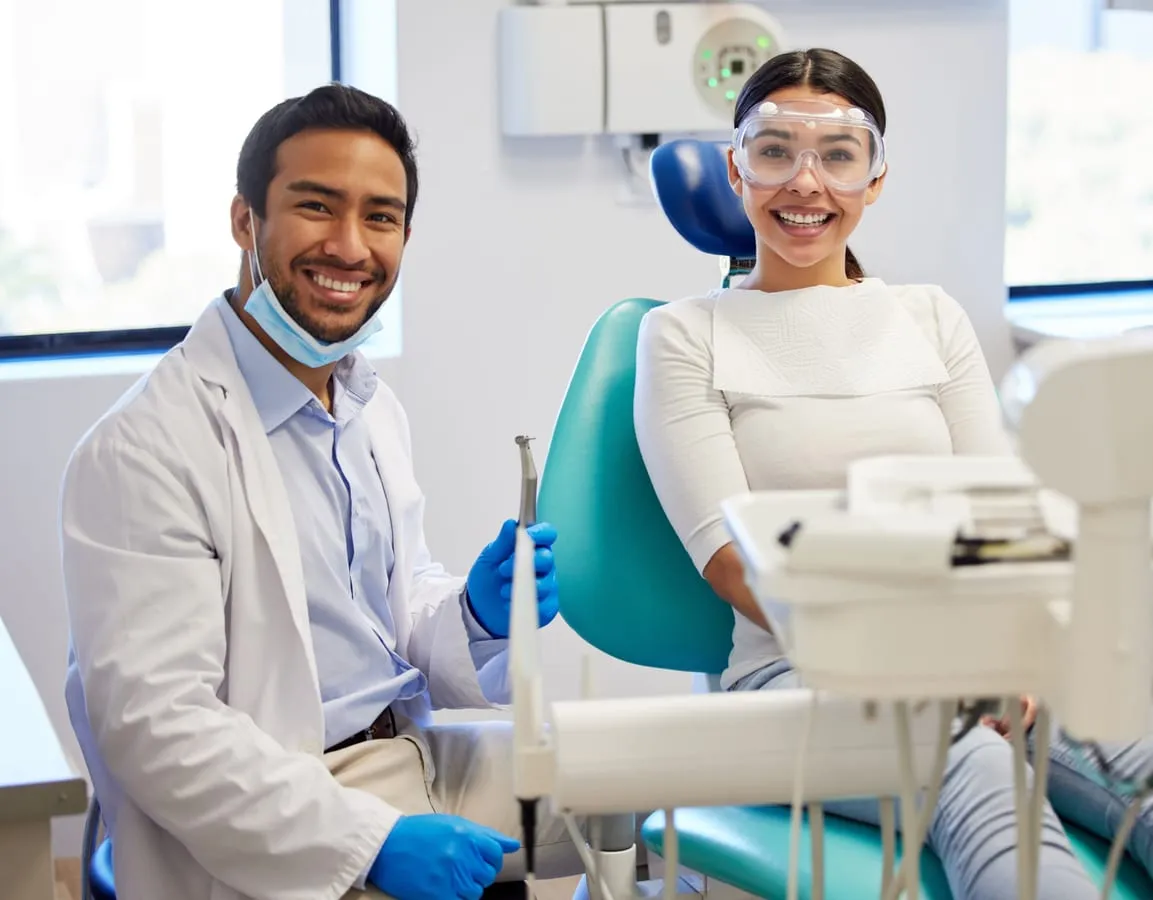
Most dental problems do not start with pain. They start quietly - a small patch of plaque along the gumline, a weak spot in enamel, a hairline crack too small to notice while chewing. By the time something hurts, the issue has usually been developing for months or longer. Preventive dentistry is built around catching those early signals before they turn into root canals, extractions, or emergency visits.
For families in Charlotte, preventive care is also one of the most practical ways to manage dental costs over a lifetime. A routine cleaning and exam costs a fraction of what it takes to treat an infected tooth or replace one that has failed. Beyond the financial side, preventive visits give our team a consistent view of how your mouth changes year to year, so we can act quickly when something looks different.
This guide walks through what preventive dentistry actually involves, how often you should be seen, and the specific habits and treatments that make the biggest difference for your long-term oral health.
In This Article
What Preventive Dentistry Actually Covers
Preventive dentistry is the umbrella term for every service designed to stop problems before they start, rather than treating damage after it happens. This includes routine exams, professional cleanings, digital X-rays, fluoride applications, sealants, and screenings for gum disease and oral cancer. It also includes the guidance your dentist gives you about brushing technique, diet, and habits that affect your teeth.
During a preventive visit at our preventive dentistry program, we look well beyond surface-level staining. We check for early decay between teeth, inflammation along the gumline, wear patterns from grinding, and changes in bite alignment. These visits give us a baseline, so if anything shifts between appointments, we notice it immediately instead of months later.
- Comprehensive exams: A full assessment of teeth, gums, jaw joints, and soft tissue to catch issues early.
- Digital X-rays: Low-dose imaging that reveals decay and bone changes invisible to the naked eye.
- Professional cleanings: Removal of hardened plaque and tartar that brushing alone cannot clear.
How Often You Really Need Checkups and Cleanings
The standard recommendation is a dental visit every six months, and for most patients this remains the right interval. Plaque hardens into tartar within days, and a biannual cleaning keeps that buildup from reaching the point where it irritates gum tissue or starts eating into enamel. Six months is also roughly how long it takes for a small cavity to progress from a surface issue to something that reaches the nerve.
That said, the right frequency depends on your individual risk factors. Patients with a history of gum disease, dry mouth, orthodontic appliances, or a high cavity rate often benefit from visits every three to four months. On the other hand, some adults with excellent home care and stable oral health can safely stretch to annual visits once we have tracked a few years of consistent results. We make this call based on your actual history, not a one-size-fits-all rule.
If you have gone longer than a year without a cleaning, do not wait for a symptom to push you back in. Early gum disease and small cavities are both painless in their earliest stages, which is exactly why regular visits matter more than how your mouth currently feels.
The Role of Fluoride and Dental Sealants
Fluoride strengthens enamel by helping it reabsorb minerals that acid exposure strips away during the day. While toothpaste and Charlotte's fluoridated municipal water provide a baseline level of protection, a professional fluoride application delivers a much higher concentration directly to the tooth surface. This is especially valuable for patients prone to cavities, those with exposed root surfaces, or anyone going through orthodontic treatment where food traps easily around brackets.
Sealants work differently but serve a similar protective purpose. They are thin resin coatings applied to the deep grooves of molars, where toothbrush bristles often cannot fully reach. Most cavities in children and teenagers start in these grooves, so sealing them off early - typically as soon as adult molars erupt - prevents decay before it ever has a chance to take hold. Adults with deep pits and grooves can benefit from sealants too, and they typically last several years with normal wear.
Daily Home Care Habits That Support Professional Treatment
Professional cleanings matter, but what you do at home between visits has the biggest overall impact on your oral health. Brushing twice daily with fluoride toothpaste for a full two minutes, using proper technique at a 45-degree angle to the gumline, removes far more plaque than a rushed thirty-second pass. Flossing once a day clears the roughly one-third of tooth surfaces that a toothbrush cannot reach - the areas where most cavities between teeth actually begin.
Diet plays a larger role than most patients expect. Frequent snacking on sugary or starchy foods keeps your mouth in an acidic state for hours at a time, giving bacteria a steady fuel source. Sipping sugary drinks slowly throughout the day is often worse for your teeth than eating the same amount of sugar in one sitting, simply because of the extended acid exposure. If you grind your teeth at night, a custom nightguard protects enamel from wear that no amount of brushing can prevent.
Oral Cancer Screenings and Early Disease Detection
Every preventive visit includes a visual and physical screening of your lips, tongue, cheeks, and throat for unusual lesions, discoloration, or lumps. Oral cancer is far more treatable when caught in its earliest stages, and because early signs are often painless, a screening during a routine checkup is frequently the first time these changes are identified. This takes only a few minutes but can meaningfully change the outcome for a patient.
Preventive visits also catch early-stage gum disease before it progresses to periodontitis, which can lead to bone loss and loose teeth if left untreated. If we notice bleeding, pocketing, or recession, we can refer you to our periodontal care team for targeted treatment well before the condition becomes irreversible. Left unmanaged, untreated decay can also progress to the point where root canal treatment becomes necessary - something preventive visits are specifically designed to help you avoid.
Why Prevention Is the Most Cost-Effective Dental Strategy
A preventive cleaning and exam is one of the least expensive services in dentistry, and most dental insurance plans cover these visits at or near 100 percent. Compare that to the cost of a filling, a crown, or a surgical extraction, and the math becomes clear: every dollar spent on preventive care tends to save several dollars in future treatment costs. This is true for both routine decay and more serious conditions that develop silently.
Preventive care also protects you from needing more invasive procedures down the road. Patients who skip regular visits are far more likely to eventually need restorative dentistry work, and in more severe cases, surgical intervention to address advanced decay or bone loss. Staying consistent with checkups is simply the more affordable, less disruptive path over the course of your life.
Key Takeaways
- Most dental problems develop silently, which is why routine checkups matter more than how your mouth feels day to day.
- Six-month visits are standard, though your ideal interval depends on your personal risk factors and history.
- Fluoride treatments and sealants add targeted protection in areas brushing alone cannot fully cover.
- Daily brushing, flossing, and mindful snacking habits extend the benefit of every professional visit.
- Prevention consistently costs less than treating decay, gum disease, or cancer once it has advanced.
Frequently Asked Questions
Does insurance typically cover preventive dental visits?
Most dental insurance plans cover two preventive visits per year at little to no out-of-pocket cost, since insurers recognize that prevention reduces claims for more expensive procedures later. We're happy to verify your specific benefits before your appointment.
What happens during a typical preventive dental appointment?
You can expect a professional cleaning to remove plaque and tartar, a visual and X-ray exam to check for decay or bone changes, an oral cancer screening, and a conversation about any concerns or changes since your last visit.
Are preventive visits necessary if my teeth feel completely fine?
Yes. Decay and gum disease are typically painless until they reach an advanced stage, so feeling fine is not a reliable indicator of oral health. Regular visits are the only way to catch these issues while they are still minor and inexpensive to treat.
Can children start preventive dental care at a young age?
Absolutely, and earlier is better. Our pediatric dentistry team recommends a first visit by age one to establish healthy habits, monitor development, and apply sealants or fluoride as soon as they're appropriate.
What should I do if I have a dental issue between scheduled visits?
Do not wait until your next checkup if you notice pain, swelling, or a broken tooth. Our emergency dental care team can see you promptly to address the issue before it worsens.
Making Prevention Part of Your Routine
Preventive dentistry works best as a consistent habit rather than a once-in-a-while effort. The combination of twice-yearly professional visits and steady daily care at home is what keeps small issues from becoming expensive, uncomfortable problems. It is also the simplest way to protect the investment you have already made in your smile, whether that includes cosmetic work, orthodontics, or natural teeth you want to keep for life.
If it has been a while since your last cleaning, or if you are simply due for your next checkup, our team is ready to help you get back on a healthy schedule. A short visit now is almost always easier, and less costly, than treatment later.